Piles Treatment in South Delhi: Causes, Symptoms, and Advanced Treatment Options
Piles, also known as haemorrhoids, are a common medical condition that can cause pain, itching, swelling, and bleeding during bowel movements. Although piles affect many people, some delay seeking medical attention because of embarrassment or a lack of awareness about available treatments. Early diagnosis and appropriate medical care can help relieve symptoms and reduce the risk of complications.
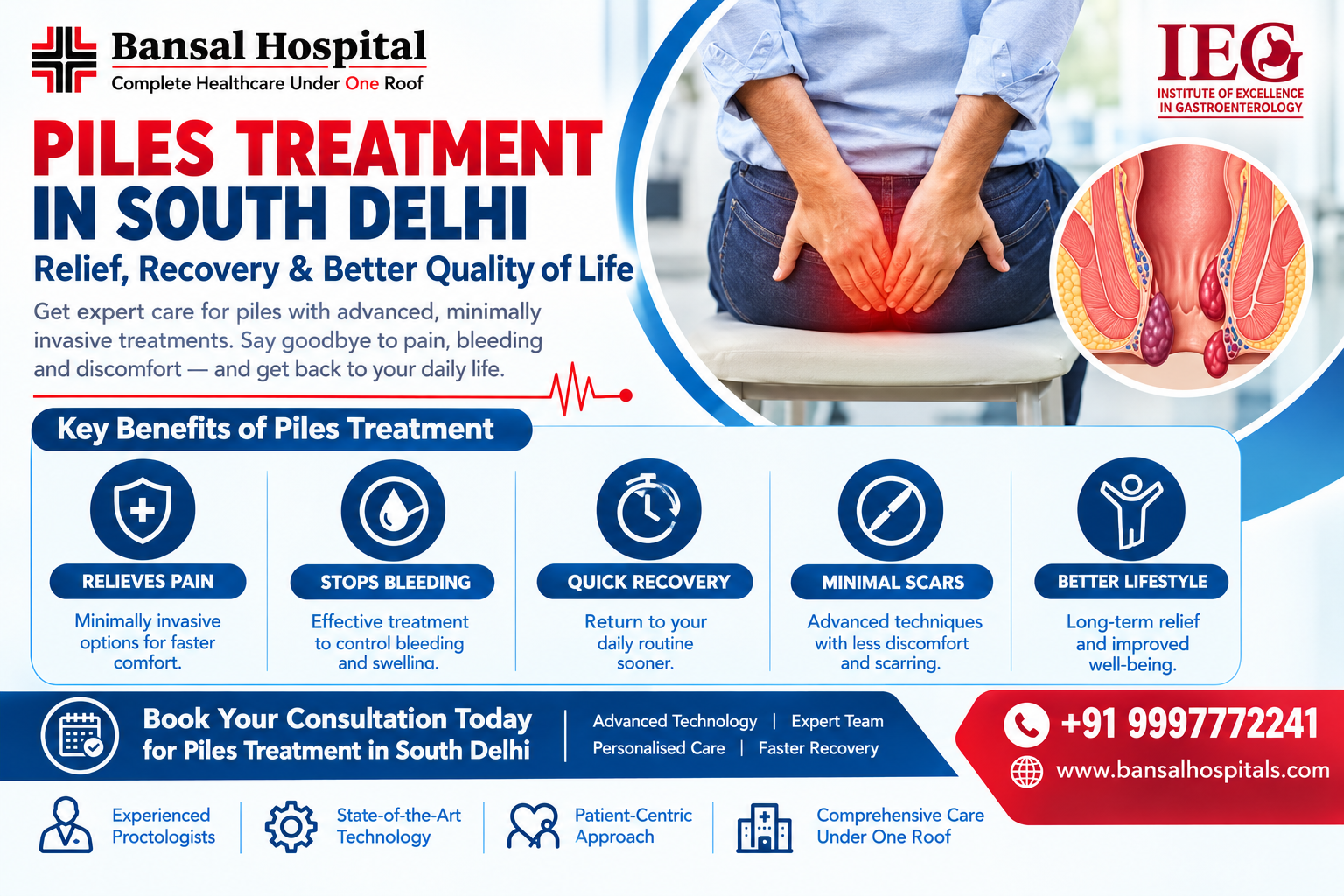
If you are looking for Piles Treatment in South Delhi, consulting a qualified medical professional is an important step towards recovery. Depending on the severity of the condition, treatment may include dietary changes, medicines, minimally invasive procedures, or surgery.
Patients who require surgical evaluation may also search for a Laparoscopic Surgeon in South Delhi or the Best Laparoscopic Surgery Hospital in South Delhi to explore suitable surgical services. Choosing the right healthcare provider involves considering the expertise of the medical team, diagnostic facilities, treatment options, and follow-up care.
What Are Piles?
Piles are swollen blood vessels in and around the anus and lower rectum. They may develop when increased pressure affects these blood vessels, often due to constipation, straining during bowel movements, pregnancy, or prolonged sitting on the toilet.
There are two main types of piles.
1. Internal Piles
Internal piles develop inside the rectum. They are often painless but may cause bright red bleeding during bowel movements. In more advanced cases, the swollen tissue may protrude through the anus, causing discomfort and irritation.
2. External Piles
External piles develop beneath the skin around the anus. They may cause itching, swelling, tenderness, and pain. Sometimes, a blood clot forms inside an external haemorrhoid, resulting in sudden and severe discomfort.
Understanding the type and severity of piles helps doctors recommend the most appropriate treatment.
Common Causes of Piles
Several factors can contribute to the development of piles. Recognising these risk factors can help patients make lifestyle changes and reduce the likelihood of recurring symptoms.
Common causes and risk factors include:
- Chronic constipation: Hard stools can increase pressure on the blood vessels around the anus.
- Straining during bowel movements: Excessive pushing may worsen swelling and irritation.
- Low-fibre diet: Insufficient fibre intake can lead to constipation and difficult bowel movements.
- Prolonged sitting: Spending excessive time on the toilet may increase pressure in the anal region.
- Pregnancy: Hormonal changes and increased abdominal pressure can contribute to haemorrhoids.
- Obesity: Excess body weight may increase pressure on pelvic and rectal blood vessels.
- Ageing: Supporting tissues may weaken with age, increasing the likelihood of piles.
Making appropriate dietary and lifestyle changes can support treatment and help prevent future episodes.
Symptoms of Piles You Should Not Ignore
The symptoms of piles vary depending on their location and severity. Some people experience mild discomfort, while others may develop persistent pain or bleeding.
Common symptoms include:
- Bright red blood during or after passing stools
- Pain or discomfort around the anus
- Itching and irritation in the anal region
- Swelling or a lump near the anus
- Mucus discharge
- A feeling of incomplete bowel evacuation
- Difficulty sitting comfortably because of pain or swelling
Rectal bleeding should not automatically be attributed to piles. Other conditions, including anal fissures and colorectal diseases, can cause similar symptoms. Seek medical evaluation if bleeding persists or recurs, particularly when accompanied by changes in bowel habits, unexplained weight loss, or fatigue.
Heavy bleeding, dizziness, fainting, or severe anal pain requires urgent medical attention.
Piles Treatment in South Delhi: Available Options
The appropriate treatment for piles depends on the severity of symptoms, the type of haemorrhoids, the patient’s medical history, and the response to previous treatments.
Patients searching for Piles Treatment in South Delhi should consult a qualified doctor for an accurate diagnosis and personalised treatment plan.
1. Lifestyle Changes and Dietary Management
Mild piles may improve with lifestyle modifications. Doctors often recommend increasing dietary fibre, drinking adequate fluids, and avoiding straining during bowel movements.
Fibre-rich foods include fruits, vegetables, whole grains, beans, and lentils. Regular physical activity and maintaining a healthy body weight can also support bowel health.
Other helpful measures include avoiding prolonged sitting on the toilet, responding promptly to the urge to pass stools, and taking warm sitz baths to relieve discomfort.
These measures can help manage symptoms, although advanced piles may require additional treatment.
2. Medicines for Symptom Relief
Doctors may recommend creams, ointments, suppositories, or other medicines to relieve itching, irritation, and discomfort. Fibre supplements and stool softeners may also help when constipation contributes to symptoms.
These treatments generally provide symptom relief rather than permanently removing enlarged haemorrhoids. Medicines, especially products containing corticosteroids, should be used according to medical advice.
Avoid self-medicating for persistent symptoms or recurrent bleeding.
3. Minimally Invasive Procedures
When lifestyle changes and medication do not provide sufficient relief, a doctor may recommend an outpatient procedure.
Rubber Band Ligation: A small band is placed around the base of an internal haemorrhoid to reduce its blood supply, allowing the treated tissue to shrink.
Sclerotherapy: A medical solution is injected into the haemorrhoid to reduce its size.
Infrared Coagulation: Heat is used to reduce blood supply to selected internal haemorrhoids.
The choice of procedure depends on the location and severity of the haemorrhoids, as well as the patient’s overall health.
4. Surgical Treatment for Advanced Piles
Surgery may be recommended for large, prolapsing, recurrent, or complicated haemorrhoids that do not respond adequately to less invasive treatments.
Haemorrhoidectomy involves surgically removing haemorrhoidal tissue. It may be suitable for selected patients with advanced piles.
Stapled Haemorrhoidopexy is a specialised procedure used in certain cases of prolapsing internal haemorrhoids. Its suitability, recurrence risks, and potential complications should be discussed with a qualified surgeon.
Not every patient requires surgery. A thorough medical assessment helps determine the most appropriate treatment approach.
Laparoscopic Surgeon in South Delhi: Understanding Surgical Care
Patients searching for a Laparoscopic Surgeon in South Delhi should understand that laparoscopic surgery is a minimally invasive technique commonly used for certain abdominal and pelvic conditions. It involves specialised instruments and a camera inserted through small incisions.
However, laparoscopic surgery is not a routine treatment for piles. Most cases are managed with dietary changes, medicines, office-based procedures, or haemorrhoid surgery when necessary.
A consultation with a qualified surgeon can help identify the cause of symptoms, assess whether surgery is required, and explain the benefits, risks, alternatives, and expected recovery period of the recommended procedure.
Patients should choose a surgeon with appropriate training and experience in the specific procedure they require.
Best Laparoscopic Surgery Hospital in South Delhi: What to Consider
Finding the Best Laparoscopic Surgery Hospital in South Delhi involves evaluating the quality of care, surgical expertise, available facilities, and patient support.
Before choosing a hospital, consider the following factors:
- Qualified surgical specialists: Look for appropriately trained doctors with experience in the relevant procedure.
- Diagnostic facilities: Accurate diagnosis is essential for selecting suitable treatment.
- Patient safety: Check whether the hospital follows appropriate infection-control and surgical safety practices.
- Anaesthesia and surgical support: Appropriate perioperative care is important for patient safety.
- Transparent communication: Doctors should explain the treatment plan, potential risks, expected recovery, and costs.
- Postoperative care: Follow-up consultations and recovery guidance support appropriate healing.
Tips to Prevent Piles and Support Recovery
Healthy bowel habits can help prevent piles and reduce the risk of recurring symptoms.
- Eat a fibre-rich diet: Include fruits, vegetables, whole grains, and pulses in your daily meals.
- Stay hydrated: Drink adequate fluids according to your health needs.
- Avoid straining: Do not force bowel movements or spend excessive time on the toilet.
- Exercise regularly: Walking and other suitable activities can support healthy bowel function.
- Maintain gentle hygiene: Clean the anal area carefully and avoid harsh products that may cause irritation.
- Follow medical advice: Attend follow-up appointments and follow your prescribed treatment plan.
If symptoms persist despite these measures, seek medical advice instead of repeatedly relying on home remedies.
When Should You Consult a Doctor?
You should consult a doctor if you experience recurrent rectal bleeding, persistent itching, painful swelling, a lump around the anus, or difficulty passing stools.
Early medical evaluation helps identify the cause of symptoms and determine whether conservative treatment, a minimally invasive procedure, or surgery is appropriate.
Seek urgent medical attention for heavy bleeding, faintness, severe pain, or fever accompanied by worsening anal symptoms.
Piles are a common and treatable condition, but ignoring persistent symptoms can delay appropriate care. Treatment options range from dietary changes and medication to minimally invasive procedures and surgery, depending on the severity of the condition.
If you are searching for Piles Treatment in South Delhi, consult a qualified medical professional for an accurate diagnosis and personalised care. Patients exploring surgical services can also enquire about a Laparoscopic Surgeon in South Delhi and evaluate their options when looking for the Best Laparoscopic Surgery Hospital in South Delhi.
With timely medical attention, appropriate treatment, and healthy bowel habits, many patients can achieve significant symptom relief and improve their quality of life.
Why Choose Bansal Hospital?
If you are searching for the Best Laparoscopic Surgery Hospital in South Delhi, Bansal Hospital is a healthcare provider to consider when exploring surgical care. Patients should evaluate specialist qualifications, diagnostic facilities, patient safety, and postoperative support. Visit Bansal Hospital official website to learn about available services and enquire about laparoscopic surgery options.