

Kidney stones are a common urological condition that can cause severe pain, discomfort, and urinary problems. They develop when minerals and salts in the urine form hard deposits inside the kidneys. While some small kidney stones may pass naturally, larger stones or those causing persistent symptoms may require medical treatment.
With advancements in medical technology, Laser Kidney Stone Treatment in South Delhi has become an important option for patients seeking minimally invasive treatment. Laser-assisted procedures can help break kidney stones into smaller fragments, allowing them to be removed or passed through the urinary tract, depending on the technique used.
If you are experiencing symptoms of kidney stones, consulting a qualified urologist can help you understand your condition and choose the most appropriate treatment. Bansal Hospitals provides an online starting point for learning about available healthcare services and exploring
What Are Kidney Stones?
Kidney stones are hard deposits made of minerals and salts that form inside the kidneys. They can vary in size, ranging from tiny crystals to larger stones that may obstruct the urinary tract.
Kidney stones develop when urine contains high concentrations of certain substances, such as calcium, oxalate, or uric acid. Insufficient fluid intake can make urine more concentrated, increasing the likelihood of stone formation in susceptible individuals.
Common types of kidney stones include:
- Calcium stones: The most common type, often containing calcium oxalate.
- Uric acid stones: May develop when urine is persistently acidic or contains excessive uric acid.
- Struvite stones: Associated with certain urinary tract infections.
- Cystine stones: Uncommon stones associated with an inherited condition called cystinuria.
Identifying the type, size, and location of a kidney stone helps the urologist determine the best treatment approach.
Common Symptoms of Kidney Stones
Kidney stones do not always cause symptoms, particularly when they are small and remain inside the kidney. However, symptoms may develop when a stone moves into the ureter or blocks the flow of urine.
Common warning signs include:
- Severe pain in the back, side, lower abdomen, or groin.
- Pain that comes in waves and changes in intensity.
- Blood in the urine, which may appear pink, red, or brown.
- Pain or burning during urination.
- Frequent or urgent urination.
- Nausea and vomiting.
- Cloudy or unpleasant-smelling urine.
Seek urgent medical attention if you experience severe pain with fever or chills, difficulty passing urine, or persistent vomiting. These symptoms may indicate an obstruction or infection requiring prompt treatment.
What Is Laser Kidney Stone Treatment?
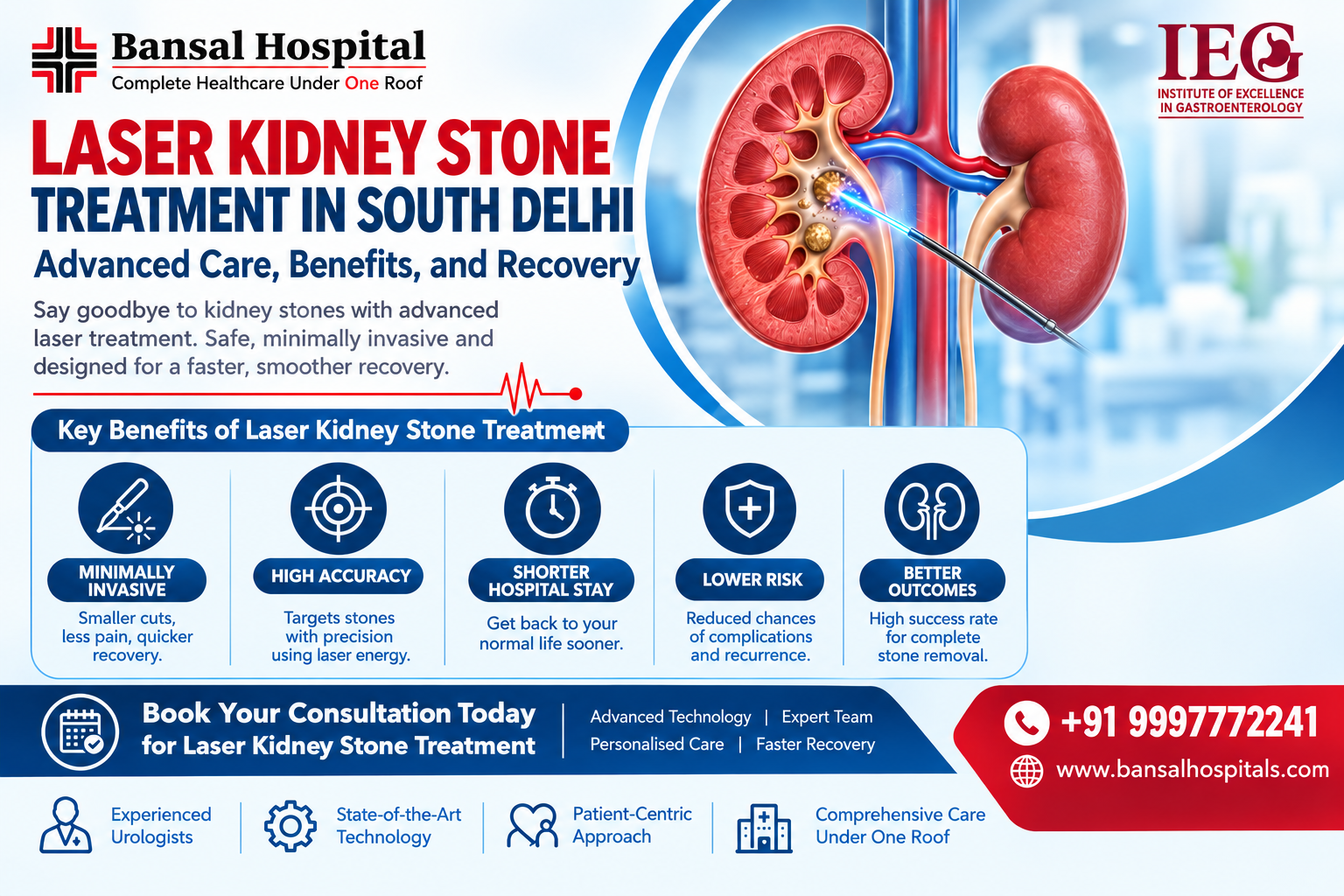
Laser kidney stone treatment is a minimally invasive procedure that uses laser energy to break stones into smaller fragments. One commonly used technique is ureteroscopy with laser lithotripsy.
During this procedure, a urologist passes a thin instrument called a ureteroscope through the urinary opening and bladder into the ureter or kidney. A laser fibre is then used to fragment the stone. Depending on the size and location of the stone, fragments may be extracted using specialised instruments or allowed to pass naturally.
The procedure is generally performed under anaesthesia. In some cases, the doctor may place a temporary ureteral stent to help urine drain from the kidney while swelling settles and small fragments pass.
Laser treatment may be appropriate for selected ureteral and kidney stones. The recommended approach depends on stone size, location, hardness, urinary anatomy, infection status, and the patient’s overall health.
Benefits of Laser Kidney Stone Treatment
Patients searching for Laser Kidney Stone Treatment in South Delhi often want to understand how laser-assisted procedures compare with other treatment options.
Potential benefits include the following:
1. Minimally Invasive Approach
Ureteroscopy with laser lithotripsy generally does not require a large surgical incision. The instrument is introduced through the natural urinary passage, which can reduce the need for external cuts.
2. Effective Stone Fragmentation
Laser energy can break many types of urinary stones into smaller pieces. This can help the urologist treat stones that may not pass naturally.
3. Treatment for Different Stone Locations
Depending on the patient’s condition and the equipment available, laser-assisted ureteroscopy can treat stones located in the ureter and kidney.
4. Potentially Faster Recovery
Many patients return to routine activities relatively quickly after an uncomplicated procedure. Recovery time varies according to the stone burden, procedure performed, and individual health.
5. No Large External Incision
Because the procedure is performed through the urinary tract, it typically avoids the large incision associated with traditional open surgery.
Although these advantages can make laser treatment a suitable choice for many patients, no procedure is appropriate for everyone. Your urologist will discuss the expected benefits, possible complications, and alternatives.
How Is Laser Kidney Stone Surgery Performed?
Understanding the treatment process can help patients feel more prepared for their procedure.
Step 1: Medical Evaluation
The urologist reviews your symptoms, medical history, medications, and previous stone episodes. Urine and blood tests may be recommended to assess infection, kidney function, and other relevant factors.
Step 2: Imaging and Stone Assessment
Ultrasound, X-rays, or a CT scan may be used to determine the stone’s size, location, and degree of urinary obstruction. These findings help guide treatment planning.
Step 3: Preparation for the Procedure
The medical team explains fasting instructions, anaesthesia, medication adjustments, and other preparations. If an infection is present, it may need to be treated before definitive stone removal.
Step 4: Laser Stone Fragmentation
Under appropriate anaesthesia, the urologist guides a ureteroscope to the stone and uses a laser to break it into smaller fragments. The fragments may be removed or left to pass, depending on the circumstances.
Step 5: Recovery and Follow-Up
After the procedure, the patient is monitored before discharge or hospital admission, depending on the clinical situation. The doctor provides instructions regarding medicines, hydration, activity, and follow-up imaging.
A temporary ureteral stent may cause urinary urgency, frequent urination, or discomfort until it is removed.
Choosing a Urology Hospital in South Delhi
Selecting the right Urology Hospital in South Delhi is an important part of kidney stone treatment. Patients should consider the hospital’s diagnostic capabilities, urological expertise, surgical facilities, and postoperative support.
Before choosing a hospital, consider these factors:
- Qualified urologists: Look for specialists with appropriate qualifications and experience in managing urinary stones.
- Diagnostic facilities: Access to suitable imaging and laboratory testing helps with accurate diagnosis and treatment planning.
- Surgical infrastructure: Appropriate endoscopic equipment, laser technology, and anaesthesia support are important for laser-assisted procedures.
- Infection prevention: Established protocols for identifying and managing urinary tract infections are essential.
- Follow-up care: Patients may require stent removal, repeat imaging, stone analysis, or additional treatment.
- Clear communication: The medical team should explain treatment choices, risks, expected costs, and recovery instructions.
How to Find the Best Urologist in South Delhi
Searching for the Best Urologist in South Delhi is a common first step for people experiencing kidney stone symptoms. However, the right specialist should be selected according to the patient’s medical needs rather than rankings or promotional claims alone.
When choosing a urologist, consider:
Relevant qualifications and experience: Ask about the specialist’s training and experience in treating kidney and ureteral stones.
Experience with laser procedures: If laser treatment is recommended, understand the specialist’s experience with ureteroscopy and laser lithotripsy.
Individualised treatment planning: The urologist should explain whether observation, medication, shock-wave lithotripsy, ureteroscopy, or another procedure is suitable for your stone.
Patient safety: Discuss infection risks, anaesthesia, possible complications, and the precautions taken before and after treatment.
Accessible follow-up: Confirm how postoperative reviews, stent removal, and further investigations will be arranged.
A consultation allows you to ask questions and make an informed decision about your treatment.
Recovery After Laser Kidney Stone Treatment
Recovery varies from person to person. Many patients experience mild discomfort or urinary symptoms for a short period after the procedure. If a stent has been inserted, urinary urgency, blood in the urine, and flank discomfort may occur until the stent is removed.
To support recovery:
- Drink fluids according to your doctor’s advice, unless you have been given a fluid restriction.
- Take prescribed medicines as directed.
- Avoid strenuous exercise until your doctor says it is safe.
- Follow instructions about ureteral stent care and removal.
- Attend scheduled appointments and recommended imaging tests.
- Contact your medical team if symptoms worsen.
Seek urgent medical attention for fever, chills, inability to pass urine, severe uncontrolled pain, or persistent vomiting.
Your doctor may also recommend a stone analysis and metabolic evaluation to understand why the stones formed and help reduce the risk of recurrence.
How Can You Prevent Kidney Stones?
Although not all kidney stones can be prevented, lifestyle changes can reduce the risk for many people.
Stay adequately hydrated: Drinking enough water helps dilute urine. The appropriate amount depends on your health, climate, activity level, and medical advice.
Maintain a balanced diet: Depending on your stone type, your doctor may recommend reducing excess sodium and moderating certain foods. Do not eliminate calcium-rich foods without medical advice, as normal dietary calcium can help prevent some calcium oxalate stones.
Limit excess salt: High sodium intake can increase urinary calcium in some individuals.
Maintain a healthy weight: A balanced diet and regular physical activity may support overall metabolic and urinary health.
Follow personalised advice: Patients with recurrent stones may benefit from stone analysis, blood and urine tests, and specific dietary or medical recommendations.
Preventive measures should be tailored to the type of stone and the patient’s individual risk factors.
Frequently Asked Questions
1. Is laser kidney stone treatment painful?
The procedure is generally performed under anaesthesia, so pain during the operation is controlled. Some patients experience temporary discomfort, burning during urination, or flank pain afterward.
2. Is laser treatment suitable for all kidney stones?
No. Suitability depends on stone size, location, number, anatomy, infection status, and other health factors. Some stones may be better treated with medication, shock-wave lithotripsy, or another surgical technique.
3. How long does recovery take?
Recovery depends on the procedure and the patient’s condition. Many people resume light activities within a few days, although some need more time. A ureteral stent may temporarily cause urinary symptoms.
4. Can kidney stones return after laser treatment?
Yes. Laser treatment removes or fragments existing stones but does not automatically prevent new stones from forming. Hydration, dietary changes, stone analysis, and preventive treatment may help reduce recurrence.
5. When should I consult a urologist?
Consult a urologist if you have recurring flank pain, blood in your urine, painful urination, or a suspected kidney stone. Severe pain accompanied by fever, chills, or difficulty passing urine requires urgent medical assessment.
Kidney stones can cause significant discomfort and may lead to complications when they obstruct urine flow or occur alongside an infection. Early diagnosis and appropriate treatment can help patients manage the condition and protect their urinary health.
Laser Kidney Stone Treatment in South Delhi offers a minimally invasive option for many patients, particularly when stones require active removal or fragmentation. However, the most appropriate procedure depends on individual clinical findings and should be decided after a consultation with a qualified urologist.
If you are looking for a Urology Hospital in South Delhi or the Best Urologist in South Delhi, consider specialist qualifications, diagnostic facilities, surgical expertise, patient safety, and follow-up care.
Visit Bansal Hospitals to explore available healthcare services and contact the hospital to confirm its urology services, consultation availability, and treatment options.