

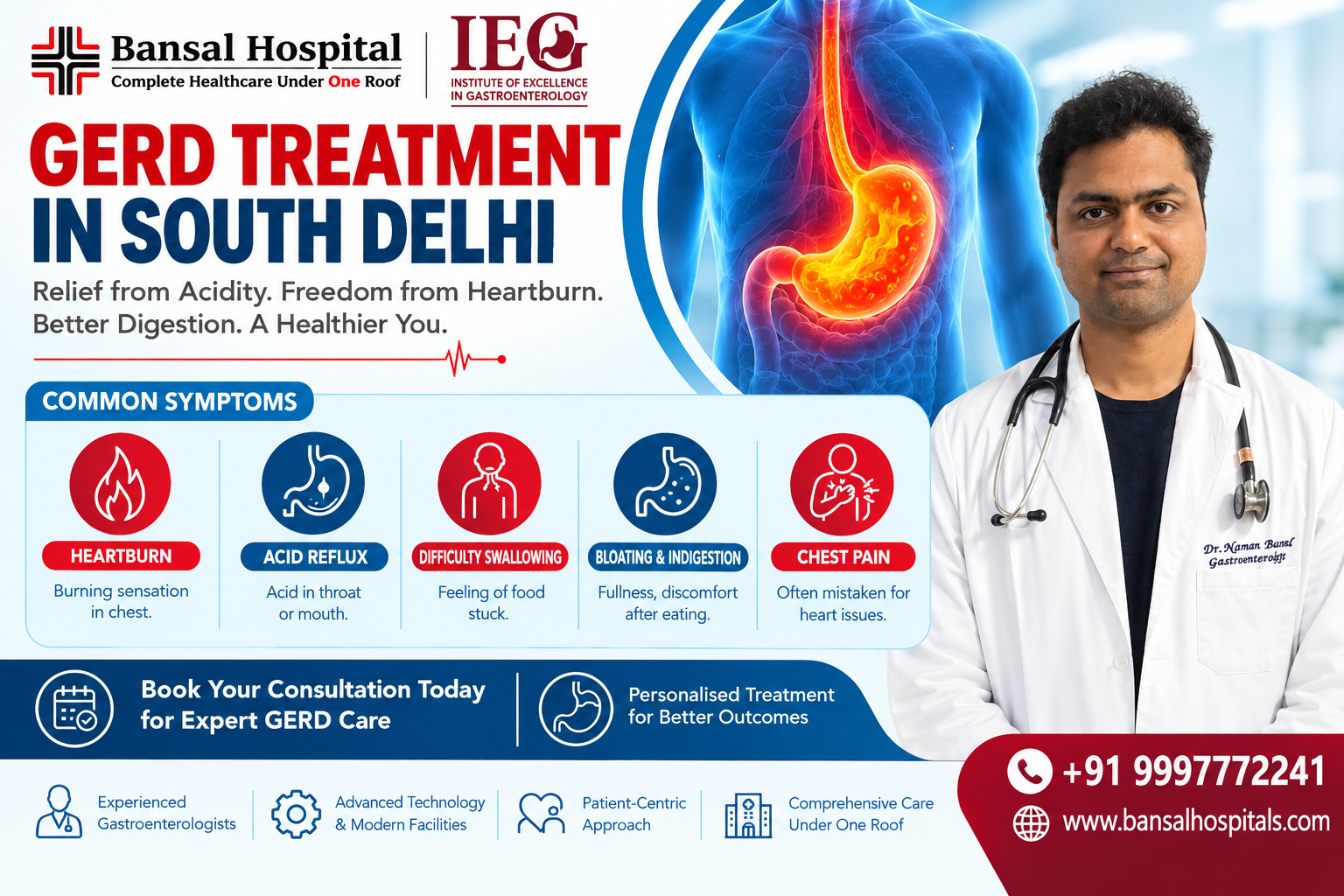
GERD Treatment in South Delhi: Causes, Symptoms, Diagnosis, and Advanced Care
Gastroesophageal Reflux Disease (GERD) is a common digestive condition that occurs when stomach contents repeatedly flow back into the food pipe, known as the oesophagus. This backward flow can cause heartburn, acid regurgitation, chest discomfort, and difficulty swallowing. If left unmanaged, GERD may lead to inflammation and other complications affecting the oesophagus.
If you are looking for GERD Treatment in South Delhi, understanding the symptoms, causes, and available treatment options can help you make informed decisions about your digestive health. Early diagnosis and appropriate medical care can help control symptoms, improve daily comfort, and reduce the risk of complications.
Patients experiencing persistent acid reflux may also seek a Gastroenterology Hospital in South Delhi for specialist evaluation and treatment. Choosing the Best Gastroenterologist in South Delhi involves considering medical qualifications, relevant experience, diagnostic facilities, and the availability of appropriate treatment options.
What Is GERD?
Gastroesophageal Reflux Disease, commonly known as GERD, is a chronic condition in which stomach acid and other stomach contents repeatedly flow into the oesophagus.
Normally, a muscular ring called the lower oesophageal sphincter (LES) helps prevent stomach contents from moving backwards. When this muscle relaxes inappropriately or does not close effectively, reflux can occur.
Occasional acid reflux is common, but frequent or persistent reflux that causes troublesome symptoms or complications may indicate GERD.
Common symptoms include heartburn, a sour taste in the mouth, regurgitation of food or liquid, and discomfort after meals. Some people also experience a persistent cough, hoarseness, or throat irritation.
Consulting a qualified doctor for GERD treatment can help determine the cause of symptoms and identify an appropriate treatment plan.
Common Causes and Risk Factors of GERD
GERD can develop due to several factors affecting the lower oesophageal sphincter, stomach pressure, or the movement of food through the digestive system.
Common risk factors include:
- Weakness of the lower oesophageal sphincter: Reduced effectiveness of this muscle allows stomach contents to move back into the oesophagus.
- Obesity: Excess abdominal pressure can increase the likelihood of reflux.
- Large meals: Eating large portions may increase stomach pressure and trigger symptoms.
- Lying down after eating: Going to bed soon after meals can make reflux more likely.
- Pregnancy: Hormonal changes and increased abdominal pressure can contribute to acid reflux.
- Certain foods and drinks: Spicy foods, high-fat meals, chocolate, caffeine, alcohol, and acidic foods may trigger symptoms in some individuals.
- Smoking: Tobacco use can aggravate reflux symptoms.
- Hiatal hernia: This condition can contribute to GERD in some patients.
Identifying personal triggers and making suitable lifestyle changes can help manage symptoms alongside medical treatment.
Symptoms of GERD You Should Not Ignore
GERD symptoms can vary in frequency and severity. Some people experience occasional heartburn, while others develop persistent symptoms that interfere with eating, sleeping, and daily activities.
Common symptoms include:
- Burning sensation in the chest, commonly called heartburn
- Sour or bitter taste in the mouth
- Regurgitation of food or stomach acid
- Discomfort after meals
- Difficulty swallowing
- Sensation of a lump in the throat
- Persistent cough, particularly at night
- Hoarseness or throat irritation
- Disturbed sleep due to reflux symptoms
Persistent difficulty swallowing, painful swallowing, unexplained weight loss, repeated vomiting, or signs of gastrointestinal bleeding require prompt medical evaluation.
Important: New or severe chest pain, especially when accompanied by breathlessness, sweating, dizziness, or pain spreading to the arm or jaw, requires emergency assessment because it may indicate a heart problem rather than acid reflux.
GERD Treatment in South Delhi: Available Treatment Options
The treatment of GERD depends on the frequency and severity of symptoms, the presence of complications, and the patient’s medical history. Treatment may include lifestyle changes, medication, diagnostic investigations, or selected surgical procedures.
1. Lifestyle and Dietary Changes
Lifestyle modifications are often an important part of managing GERD. They can reduce reflux episodes and improve the effectiveness of medical treatment.
Helpful measures include:
- Eat smaller, more frequent meals instead of large portions.
- Avoid lying down for at least three hours after eating.
- Identify and limit foods that consistently trigger your symptoms.
- Maintain a healthy body weight.
- Elevate the head of the bed if reflux occurs during sleep.
- Avoid smoking and limit alcohol consumption.
- Wear comfortable clothing that does not place excessive pressure on the abdomen.
These measures may provide considerable relief, although people with persistent symptoms may also need medication or further evaluation.
2. Medicines for GERD
Doctors may prescribe medication to reduce stomach acid, improve symptom control, and allow irritated oesophageal tissue to heal.
Proton Pump Inhibitors (PPIs): These medicines reduce stomach acid production and are commonly used to treat frequent GERD symptoms and heal erosive oesophagitis.
H2-Receptor Blockers: These medicines reduce acid production and may be suitable for selected patients.
Antacids and Alginates: These products can provide short-term relief from occasional heartburn or help reduce reflux symptoms in some patients.
The choice of medication depends on individual symptoms, other health conditions, and potential drug interactions. Consult a doctor before starting or changing treatment, especially if symptoms occur frequently or persist despite medication.
3. Diagnosis and Evaluation at an Esophageal Clinic
When symptoms continue despite treatment, or when warning signs are present, a doctor may recommend further investigations to identify the cause of reflux and assess the condition of the oesophagus.
Depending on the patient’s symptoms, these investigations may include:
- Upper gastrointestinal endoscopy: A flexible instrument with a camera is used to examine the oesophagus, stomach, and upper digestive tract.
- Ambulatory pH monitoring: Measures acid exposure in the oesophagus over a specified period.
- Oesophageal impedance monitoring: Helps detect reflux episodes, including certain non-acid reflux events.
- Oesophageal manometry: Evaluates the pressure and movement of muscles in the oesophagus when indicated.
Not every patient needs all these tests. A qualified specialist determines which investigations are appropriate based on the symptoms and initial examination.
Gastroenterology Hospital in South Delhi: Comprehensive Digestive Care
Choosing a suitable Gastroenterology Hospital in South Delhi is important for patients experiencing persistent acid reflux, heartburn, swallowing difficulties, and other digestive problems. Patients should consider access to qualified medical professionals, appropriate diagnostic investigations, personalised treatment planning, and follow-up care.
A gastroenterologist evaluates conditions affecting the digestive system, including GERD, gastritis, and other gastrointestinal disorders. Depending on the symptoms, the specialist may recommend lifestyle modifications, medication, diagnostic testing, or referral for surgical evaluation when necessary.
Early evaluation can help identify the cause of persistent digestive symptoms and determine whether lifestyle changes, medication, further investigations, or specialist treatment are appropriate.
Best Gastroenterologist in South Delhi: Choosing the Right Specialist
If you are searching for the Best Gastroenterologist in South Delhi, consider a specialist’s qualifications, clinical experience, diagnostic approach, and ability to explain treatment options clearly.
A gastroenterologist can assess recurring heartburn, acid regurgitation, difficulty swallowing, and other digestive symptoms. Depending on the findings, the specialist may recommend medication, dietary changes, diagnostic testing, or further specialist care.
When choosing a doctor, consider the following:
- Relevant medical qualifications and specialist training
- Experience evaluating digestive and oesophageal conditions
- Access to appropriate diagnostic investigations
- Clear communication about treatment options and potential risks
- Follow-up arrangements for persistent or recurring symptoms
Patients should verify the doctor’s qualifications and availability directly with the hospital before scheduling an appointment.
For information about relevant services, visit Bansal Hospital or contact the hospital to enquire about gastroenterology consultations and the availability of appropriate specialists.
Surgical Treatment for Severe GERD
Most people with GERD can be managed through lifestyle changes and medication. However, selected patients may benefit from surgery when symptoms remain troublesome despite appropriate treatment, when significant reflux is objectively confirmed, or when particular anatomical problems are present.
Fundoplication is a surgical procedure in which the upper part of the stomach is wrapped around the lower oesophagus to strengthen the barrier against reflux.
In suitable patients, fundoplication may be performed using a laparoscopic approach, which involves small incisions and specialised instruments.
Surgery is not necessary for every patient with GERD. Before recommending an operation, the treating team may assess reflux severity, oesophageal function, anatomy, and the expected benefits and risks.
Tips to Prevent GERD Symptoms
Although GERD cannot always be prevented, certain daily habits can help reduce the frequency and severity of symptoms.
- Eat balanced meals: Avoid consistently eating large portions that trigger discomfort.
- Maintain a healthy weight: Weight management may reduce abdominal pressure and reflux.
- Allow time before sleeping: Finish meals at least three hours before lying down.
- Identify food triggers: Keep track of foods and drinks that worsen your symptoms.
- Improve sleeping position: Elevate the head of the bed if nighttime reflux is a problem.
- Follow medical advice: Take prescribed medication as directed and attend recommended follow-up appointments.
If heartburn occurs frequently, disturbs sleep, or requires repeated use of over-the-counter medicines, seek professional medical advice rather than relying exclusively on home remedies.
When Should You Consult a GERD Specialist?
Consult a doctor if you experience frequent heartburn, recurring acid regurgitation, persistent throat irritation, or symptoms that do not improve with appropriate lifestyle changes.
Early assessment is particularly important if you have difficulty swallowing, unexplained weight loss, persistent vomiting, or gastrointestinal bleeding. These symptoms may indicate a more serious condition requiring further investigation.
A specialist can evaluate your symptoms, recommend appropriate tests, and develop a treatment plan based on your individual needs.
GERD is a common digestive condition that can affect eating, sleeping, and overall quality of life. Many patients achieve good symptom control through dietary adjustments, lifestyle changes, medication, and appropriate medical follow-up. Selected patients may require diagnostic procedures or surgical treatment.
If you are searching for GERD Treatment in South Delhi, seek medical evaluation for persistent symptoms rather than relying on self-medication. Choosing a suitable Gastroenterology Hospital in South Delhi and consulting the Best Gastroenterologist in South Delhi for your individual needs can help you understand the cause of reflux and explore appropriate treatment options.
Best Gastroenterologist in South Delhi – Dr. Naman Bansal
Dr. Naman Bansal, a third-generation doctor and specialist in Gastroenterology and Liver Diseases, offers expertise in diagnosing and managing GERD and digestive disorders. With advanced medical training and endoscopic proficiency, he emphasizes evidence-based care, precision, and patient safety at Bansal Hospital.
If you experience persistent heartburn, acid reflux, or swallowing difficulties, visit Bansal Hospital’s Esophageal Clinic to learn more and enquire about relevant consultations.