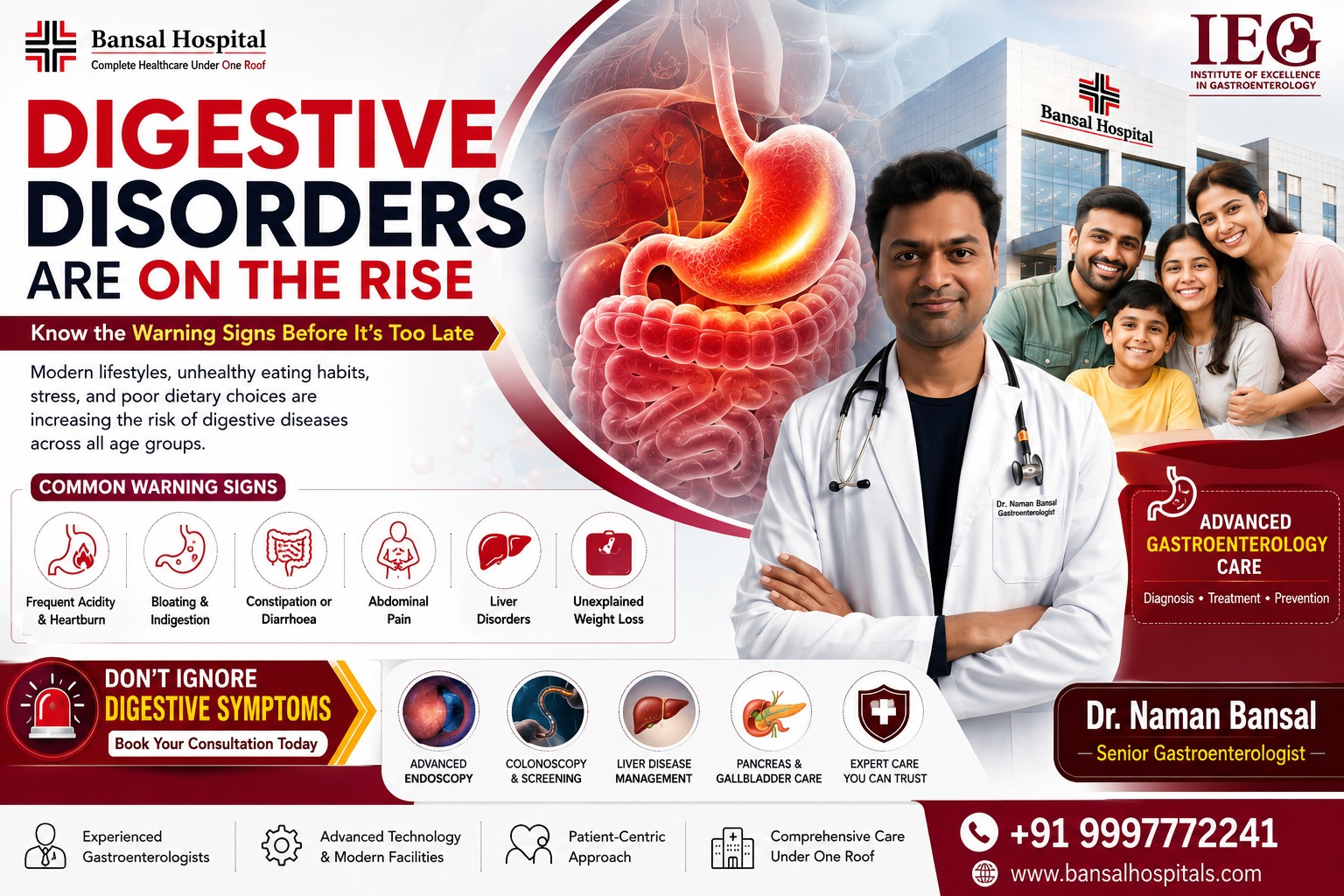
Digestive health plays an important role in maintaining overall health and well-being. The digestive system helps the body break down food, absorb essential nutrients and eliminate waste. However, digestive problems such as acidity, bloating, constipation, stomach pain and indigestion are becoming increasingly common due to unhealthy eating habits, stress, irregular meal timings and sedentary lifestyles.
While occasional digestive discomfort may not be a serious concern, persistent or recurring symptoms should never be ignored. Sometimes, these symptoms can indicate underlying gastrointestinal conditions that require medical attention.
Gastroenterologist doctor in south Delhi is a medical specialist who diagnoses and treats disorders affecting the digestive system, including the oesophagus, stomach, intestines, liver, pancreas, gallbladder and rectum.
But how do you know when it is time to consult a specialist? Understanding the warning signs can help you seek timely medical care and prevent complications.
In this blog, we will discuss when to see a gastroenterologist, common digestive symptoms that require attention, conditions treated by gastroenterologists and the importance of early diagnosis.
Who Is a Gastroenterologist?
A gastroenterologist is a specialist doctor trained to diagnose, manage and treat diseases of the digestive system. These specialists have expertise in identifying gastrointestinal problems through clinical examinations, blood tests, imaging studies and endoscopic procedures.
You may need to consult a gastroenterologist if you experience persistent digestive discomfort, unexplained abdominal pain, changes in bowel habits or other symptoms affecting your digestive health.
Gastroenterologists commonly manage conditions such as:
- Acid reflux and gastroesophageal reflux disease (GERD)
- Gastritis and stomach ulcers
- Irritable bowel syndrome (IBS)
- Inflammatory bowel disease (IBD)
- Fatty liver disease
- Hepatitis and other liver disorders
- Gallstones and gallbladder problems
- Pancreatitis
- Chronic constipation and diarrhoea
- Colorectal polyps and gastrointestinal cancers
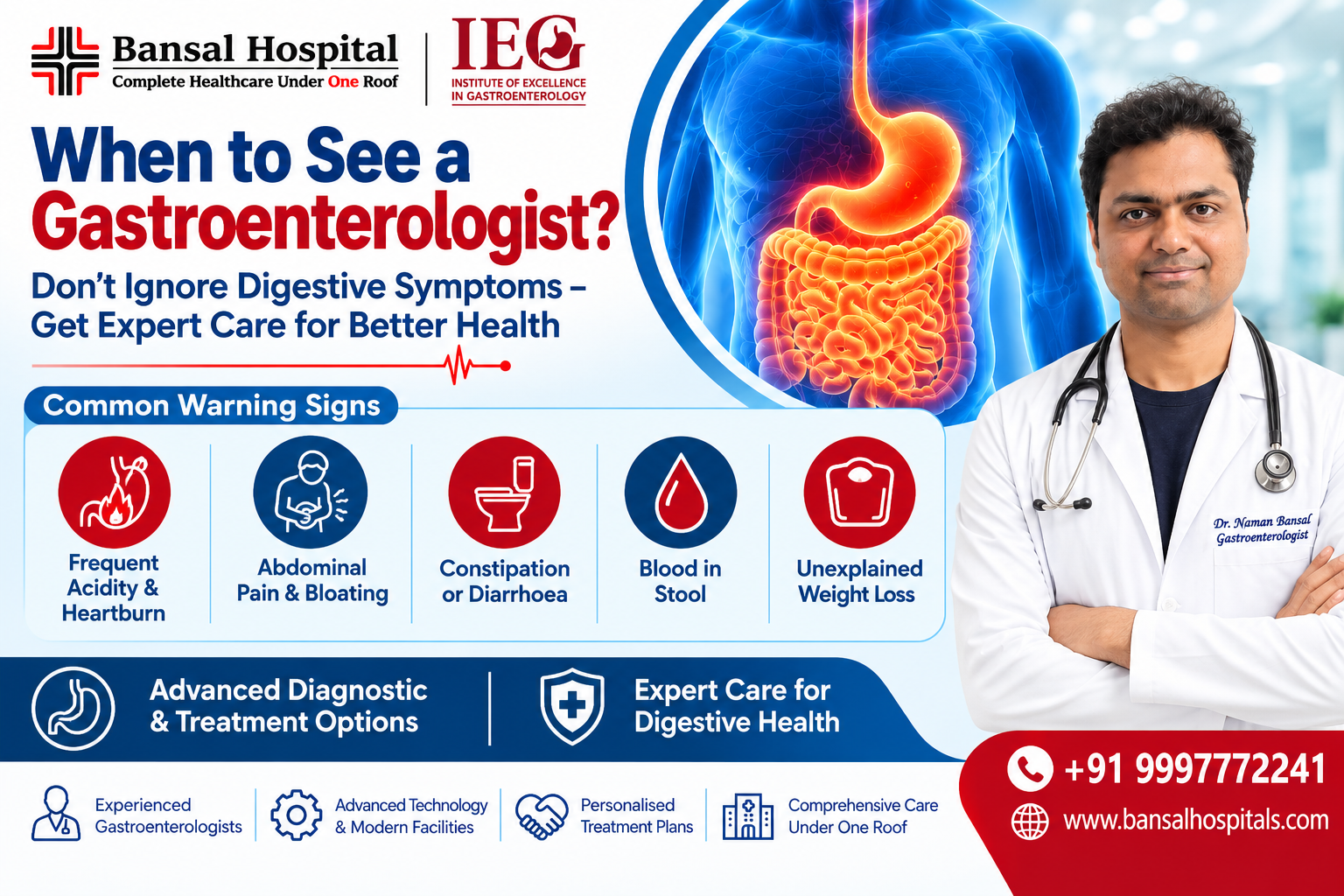
10 Signs That Indicate You Should See a Gastroenterologist
Not every digestive problem requires specialist treatment. However, certain symptoms may indicate an underlying condition that needs proper evaluation.
1. Frequent Acidity and Heartburn
Occasional acidity can occur after consuming spicy, oily or heavy meals. However, frequent heartburn, a burning sensation in the chest or acid coming back into the throat may indicate gastroesophageal reflux disease (GERD).
If you experience acidity several times a week, especially despite lifestyle changes or medication, consult a gastroenterologist. Untreated acid reflux can sometimes cause inflammation and damage to the oesophagus.
2. Persistent Abdominal Pain
Stomach pain can occur due to indigestion, gas, infections or other digestive problems. However, recurring or unexplained abdominal pain should not be ignored.
Pain in different areas of the abdomen may be associated with conditions such as gastritis, gallstones, pancreatitis, intestinal disorders or liver problems.
Seek medical attention if abdominal pain is persistent, severe or associated with fever, vomiting or other concerning symptoms.
3. Frequent Bloating and Excessive Gas
Bloating is a common digestive complaint that causes a feeling of fullness, tightness or swelling in the abdomen.
Although occasional bloating is usually harmless, frequent bloating may be associated with food intolerances, constipation, IBS, digestive infections or other gastrointestinal conditions.
A gastroenterologist can help identify the underlying cause and recommend appropriate dietary changes or treatment.
4. Chronic Constipation
Constipation occurs when bowel movements become difficult, infrequent or painful. It may be caused by inadequate fibre intake, dehydration, lack of physical activity or certain medications.
However, constipation that continues for several weeks despite lifestyle changes requires medical evaluation.
If constipation is accompanied by blood in the stool, unexplained weight loss, severe abdominal pain or vomiting, seek medical attention promptly.
5. Persistent Diarrhoea
Diarrhoea that lasts for several days or keeps returning may indicate an infection, food intolerance, IBS, inflammatory bowel disease or another digestive condition.
Long-lasting diarrhoea can cause dehydration and nutritional deficiencies.
A gastroenterologist can recommend appropriate investigations to identify the cause and prevent complications.
6. Blood in Stool
Blood in the stool is an important warning sign that should never be ignored. It may appear bright red, dark red or black and tarry.
Possible causes include haemorrhoids, anal fissures, intestinal inflammation, ulcers, polyps and colorectal cancer.
Although not every case indicates a serious disease, unexplained rectal bleeding requires prompt medical assessment.
7. Difficulty Swallowing Food
Difficulty swallowing, also known as dysphagia, can occur due to problems affecting the oesophagus.
Some people experience a sensation that food is getting stuck in the throat or chest. Others may experience pain while swallowing.
Persistent swallowing difficulties require medical evaluation because they can be associated with acid reflux complications, narrowing of the oesophagus or other medical conditions.
8. Unexplained Weight Loss
Losing weight without making changes to your diet or exercise routine can sometimes indicate an underlying health problem.
Digestive conditions such as inflammatory bowel disease, malabsorption disorders, chronic liver disease and gastrointestinal cancers may contribute to unexplained weight loss.
If you notice sudden or continuous weight loss, consult a healthcare professional for proper evaluation.
9. Persistent Nausea and Vomiting
Occasional nausea may result from food poisoning, infections or overeating. However, frequent nausea or repeated vomiting can indicate problems involving the stomach, intestines, gallbladder or pancreas.
Repeated vomiting can also lead to dehydration and electrolyte imbalances.
If vomiting is persistent, contains blood or is accompanied by severe abdominal pain, seek urgent medical care.
10. Changes in Bowel Habits
Sudden or persistent changes in bowel habits, including changes in stool consistency, frequency or appearance, should be evaluated.
These changes may be associated with IBS, infections, inflammatory bowel disease or colorectal disorders.
Consult a gastroenterologist if changes continue for several weeks or occur alongside bleeding, anaemia or unexplained weight loss.
Common Digestive Conditions That Require Specialist Attention
A gastroenterologist can help diagnose and manage several digestive and liver-related conditions.
1. Gastroesophageal Reflux Disease (GERD): A chronic condition in which stomach acid frequently flows back into the oesophagus, causing heartburn and discomfort.
2. Irritable Bowel Syndrome (IBS): A digestive disorder that can cause abdominal pain, bloating, constipation and diarrhoea.
3. Fatty Liver Disease: A condition involving excessive fat accumulation in the liver. Early diagnosis and lifestyle management are important to prevent progression.
4. Gastritis and Peptic Ulcers: Inflammation of the stomach lining or sores in the stomach and upper small intestine can cause pain, nausea and indigestion.
5. Gallbladder Stones: Gallstones may cause abdominal pain, nausea and digestive discomfort, particularly after fatty meals.
6. Inflammatory Bowel Disease (IBD): Conditions such as Crohn’s disease and ulcerative colitis cause chronic inflammation of the digestive tract and require specialist management.
When Should You Seek Emergency Gastroenterology Care?
Some digestive symptoms may indicate a medical emergency and require immediate attention rather than waiting for a routine appointment.
Seek urgent medical care if you experience:
- Vomiting blood or material resembling coffee grounds.
- Black, tarry stools or significant rectal bleeding.
- Sudden and severe abdominal pain.
- Persistent vomiting with signs of dehydration.
- Severe abdominal swelling with inability to pass stool or gas.
- Yellowing of the skin or eyes accompanied by fever, abdominal pain or confusion.
Early medical intervention can help identify serious conditions and reduce the risk of complications.
Why Is Early Consultation With a Gastroenterologist Important?
Ignoring digestive symptoms can sometimes delay the diagnosis of underlying medical conditions. Early consultation offers several benefits:
Timely Diagnosis: Identifying digestive disorders early can help doctors begin appropriate treatment before the condition progresses.
Prevention of Complications: Early management of liver disease, ulcers and inflammatory bowel conditions may reduce the risk of long-term complications.
Personalised Treatment: Gastroenterologists recommend treatment based on the patient’s medical history, symptoms and diagnostic findings.
Better Digestive Health: Appropriate medication, dietary guidance and lifestyle modifications can help improve digestive health and quality of life.
Tips to Maintain Good Digestive Health
Along with medical treatment when required, adopting healthy habits can support better digestive functioning.
- Eat a balanced diet containing fruits, vegetables and fibre-rich foods.
- Drink sufficient water throughout the day.
- Avoid excessive consumption of oily, processed and spicy foods if they trigger symptoms.
- Exercise regularly and maintain a healthy body weight.
- Avoid smoking and limit alcohol consumption.
- Maintain regular meal timings.
- Get adequate sleep and manage stress.
- Do not frequently take painkillers or acidity medications without medical advice.
- Schedule medical consultations if digestive symptoms persist or return frequently.
These habits support digestive health but should not replace medical evaluation when warning signs are present.
Consult a Gastroenterologist at Bansal Hospital
If you are experiencing persistent acidity, abdominal pain, bloating, constipation, diarrhoea, liver-related problems or other digestive concerns, seeking specialist medical advice is an important step.
The Institute of Excellence in Gastroenterology at Bansal Hospital provides comprehensive care for digestive system disorders, liver diseases, pancreatic conditions, gallbladder problems and intestinal disorders.
The hospital offers gastroenterology consultations, diagnostic support, endoscopic evaluation and personalised treatment planning. Its facilities also support emergency care for serious digestive conditions.
bansalhospitals.com+1
With a focus on accurate diagnosis, patient-friendly care and appropriate treatment, Bansal Hospital aims to support patients experiencing a wide range of gastrointestinal health concerns.
About Dr. Naman Bansal
Dr. Naman Bansal is a third-generation doctor with expertise in gastroenterology and liver-related conditions. His educational qualifications include MBBS from University College of Medical Sciences (UCMS), MD in General Medicine (Gold Medalist), DNB in General Medicine, MRCP and DM in Gastroenterology.
His areas of clinical expertise include digestive disorders, liver diseases, gastrointestinal conditions and advanced endoscopic procedures. He believes in evidence-based medical care, preventive healthcare and the importance of early diagnosis.
Patients experiencing persistent digestive problems should consider consulting an experienced specialist like Dr. Naman Bansal for appropriate evaluation and treatment guidance.
Bansal Hospital is committed to providing comprehensive healthcare and supporting patients in making informed decisions about their digestive health.
Digestive symptoms should not be ignored, especially when they are persistent, recurring or affecting your daily life. Knowing when to see a gastroenterologist can help you receive timely diagnosis, appropriate treatment and better long-term digestive health. If you notice any warning signs, consult a qualified specialist rather than relying on self-medication.